Background, People, Sustainability
“Yellow Posthorn Bean”: When love goes through the stomach
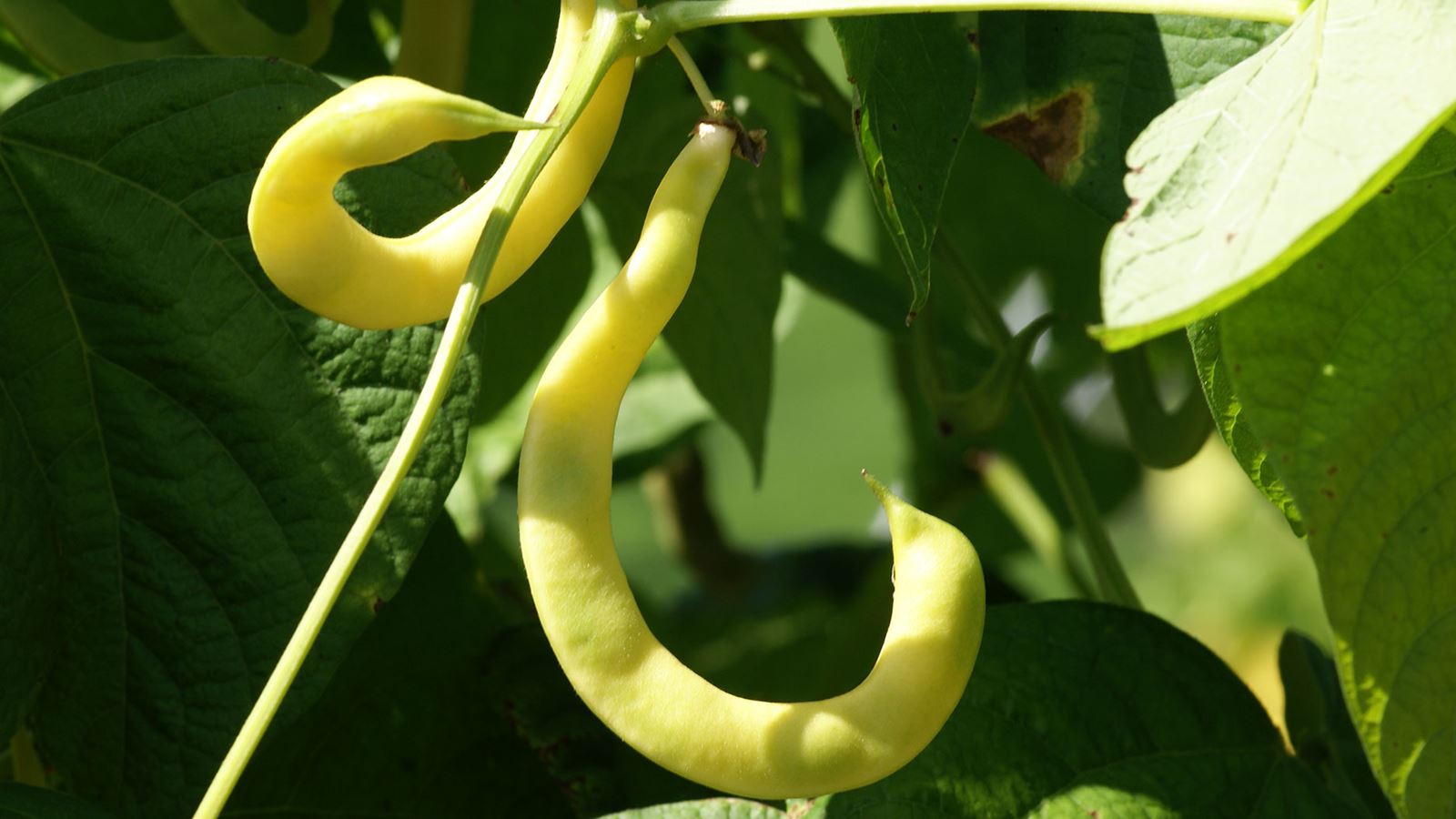
This story begins in a vegetable garden. Among hundreds of old vegetable varieties grows one that immediately catches the eye of PostBus fans: the “Yellow Posthorn Bean” (Gelbes Posthörnli). With its crescent-shaped, bright yellow pods, it truly resembles the iconic PostBus horn—and it has carried this name for many decades.
Rich Content Section
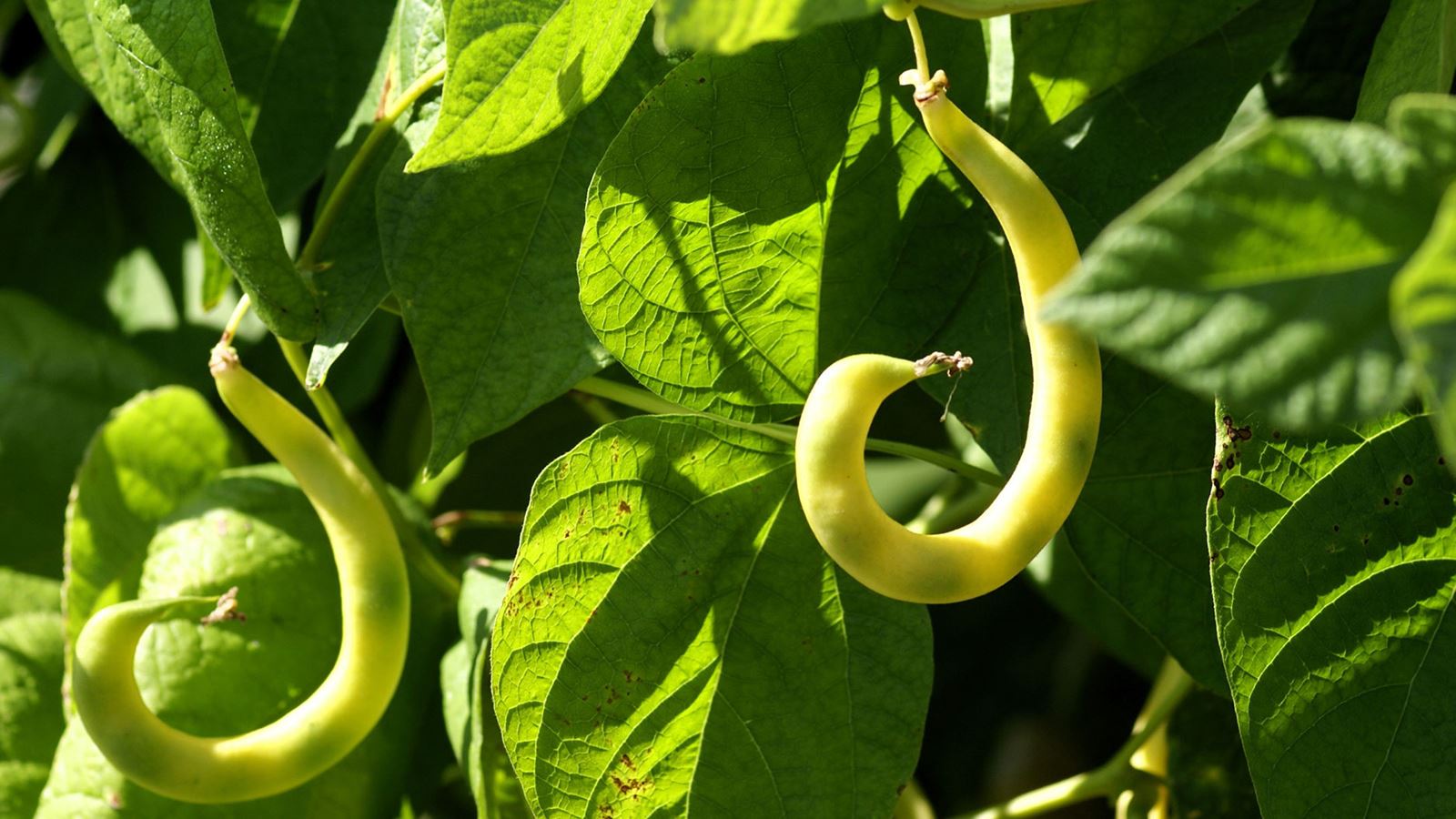
No one today knows who gave the bean its distinctive name. What is clear, however, is that the name endured. The Yellow Posthorn Bean appears in numerous vegetable catalogues over the decades and is documented many times in the Swiss federal database. The first confirmed written reference dates back to 1919, meaning the variety has likely been enriching gardens and dinner plates for well over 100 years.
For us, this is naturally a special reason to celebrate: after all, it is not every day that a vegetable variety is associated with PostBus.
From mother to daughter
The continued existence of the Yellow Posthorn Bean is no coincidence. The ProSpecieRara Foundation is dedicated to safeguarding old varieties of vegetables, fruit, and grains from extinction. Its collection includes 1,224 vegetable varieties and 2,481 fruit varieties.
The diversity among beans is particularly impressive: 238 different bean varieties are preserved in the seed bank and cultivated regularly to ensure fresh seed production. In the past, bean seeds were often passed down from mother to daughter. Over generations, this practice gave rise to countless regional varieties—each with a story of its own.
More than just a pretty sight
The Yellow Posthorn Bean impresses with more than just its name. Harvested young, the bean is particularly tender, stringless, and full of flavour. Its bright yellow pods add colour to any plate and are ideal as a vegetable side dish or in salads. The beans themselves can also be used in many ways—for example in soups, salads, or vegetable dishes. Both pods and beans can be frozen or dried for later use.
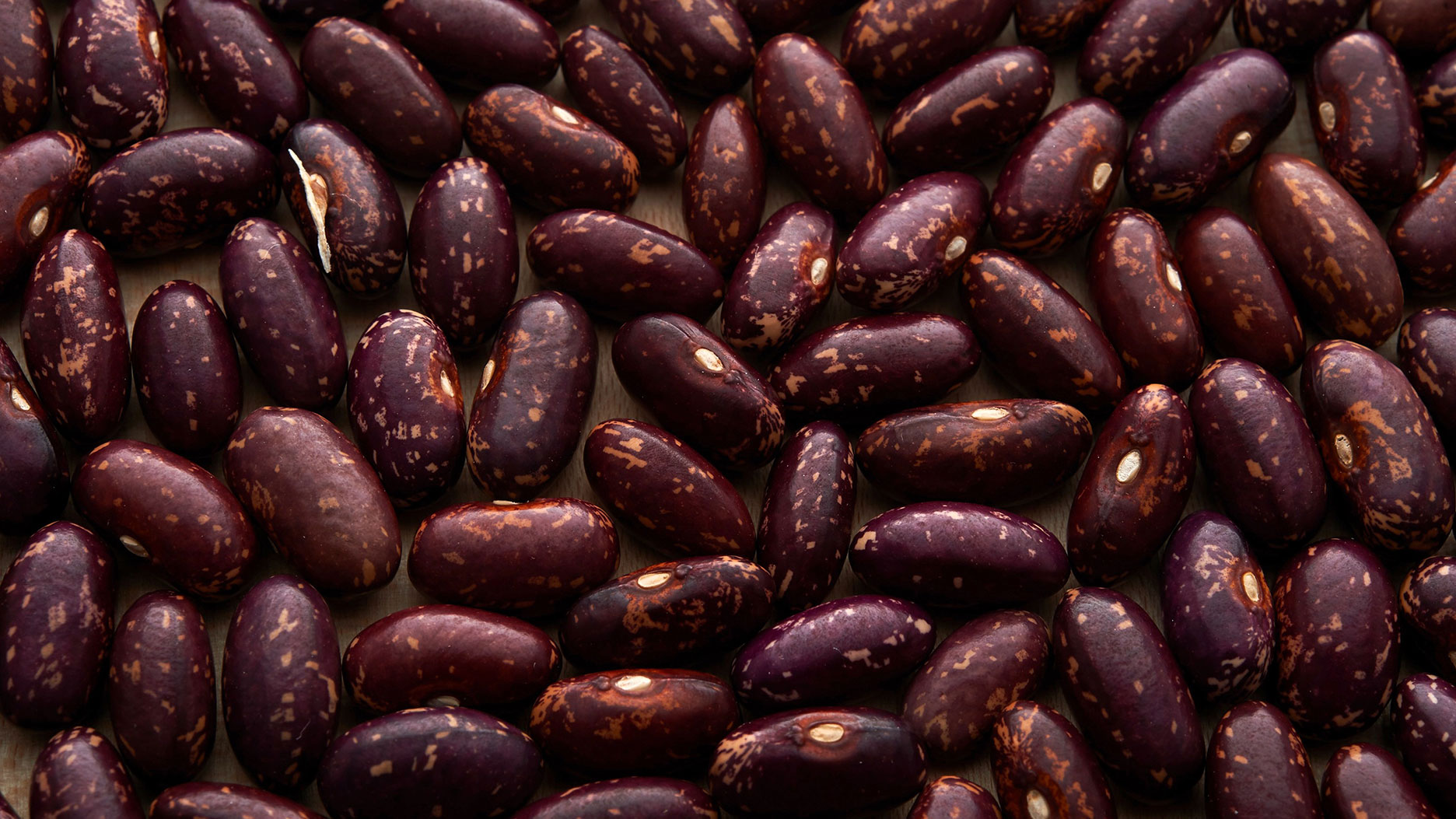
A charming detail only becomes visible when the beans are fully ripe: inside are red-violet speckled seeds that shimmer through the yellow pods, creating a beautiful contrast with the striking pod colour.
Not the only original Variety
The Yellow Posthorn Bean even has a green relative, the “Green Posthorn Bean” (Grünes Posthörnli). This variety is considerably rarer and is more commonly known as the “Lucerne Market Bean” (Luzerner Marktbohne). Given the ongoing electrification of the PostBus fleet, the green version seems particularly fitting today!
There are many other historic variety names that pay tribute to their era. Examples include the “Radio” marigold, named after the invention of radio, the “Swiss Trousers” pear, and the “Swiss Cross” poppy, whose blossom actually resembles a Swiss cross.
Tempted to give It a try?
Anyone interested in growing a Yellow Posthorn Bean can obtain the variety through the ProSpecieRara variety finderTarget not accessible as a supporter of the foundation. Seeds are also available from suppliers such as Zollinger Bio.
Whether on the road or in the garden, the Yellow Posthorn Bean shows that Swiss traditions sometimes survive in the most delightful places. We are delighted to share our name with a bean that has been bringing joy to people for more than a century.
Image: Beat Brechbühl, Franca Pedrazzetti